


Catch the Next Train to Open Water

Pack a towel and curiosity as we explore wild swimming weekends reachable by public transport, celebrating shorelines, rivers, and lakes that welcome car-free adventurers. Expect practical planning tips, stories from chilly dawn dips, and gentle guidance to help you jump in safely, plus friendly invitations to share your favorite routes, subscribe for fresh itineraries, and join a growing community that proves you do not need a car to access unforgettable water, big skies, and restorative, memory-making moments.

Choose Your Water, Choose Your Line

Planning a car-free escape begins with aligning train or bus schedules to daylight, tides, and your energy levels. Start by picking a body of water that suits your confidence—gentle lake, slow river, or sheltered cove—then trace the simplest connection from platform to shoreline. Build buffers for delays, factor meal stops, and keep an eye on return times so the last light becomes a celebration, not a scramble, and you arrive home warmed by accomplishment rather than stress.

Timetables That Leave Room for Tide and Weather

Leave generous margins around departures and returns. Tides can shift access windows on coasts, while upstream rainfall can alter river flow and clarity. Favor routes with frequent services, enabling flexible swims if conditions change. Save real-time updates, note platform changes, and prioritize connections with covered waiting areas. That cushion lets you notice kingfishers, talk with locals at the pier, and savor a steaming post-swim tea without watching the clock in a cold, hurried panic.

Last-Mile Access: From Station to Shore

Study the walk from station or stop to water well before you set off. Satellite maps can mislead, and paths may cross private land or seasonal closures. Seek waymarked trails, public rights of way, or signed promenades. Screenshot maps, download offline layers, and mark obvious exit points. If night might fall, bring a small headlamp and bright layers. Your calm, confident stroll becomes a gentle transition, helping nerves settle and excitement grow with every footstep toward the shimmering edge.

Budgeting for Joy, Not Traffic

Tickets bought in advance, off-peak passes, and group discounts can slash costs and expand possibilities. Without fuel or parking fees, you can direct savings toward nourishing food, a cozy inn, or an eco-friendly thermal layer. Allocate small amounts for local cafes and lifeboat donations to support communities protecting the places you love. Planning money like time creates ease: you float longer, linger for sunsets, and ride home satisfied rather than calculating every minute like a rushed commuter.

Cold Management and Acclimatisation

Treat cold like a respected companion rather than an enemy. Begin with short immersions, breathing steadily while water finds its way into your collar. Add time gradually across weekends, logging sensations and afterdrop duration. Layer neoprene gloves or booties when needed, and keep a windproof top ready the moment you exit. Always bring a warm drink, sugary snack, and dry hat. Your relationship with cold becomes a measured conversation, where curiosity grows while bravado stays firmly outside the changing robe.

Water Quality and Local Knowledge

Before traveling, check recent rainfall, official water quality reports, and community updates. Heavy storms can overwhelm drains and cloud otherwise reliable swims. Speak to local swimmers, lifeguards, anglers, or ferry crews; their observations often reveal subtle currents, submerged branches, or kinder entry points. If signs warn against bathing, respect them and pivot to a backup location. The humility to change plans preserves health and ensures returning another day, stronger and wiser, rather than risking a regretful, unnecessary exposure.

Exit Strategy and Group Norms

Pick an exit that is unmistakable from the water, ideally marked by a bright landmark or bridge. Agree simple hand signals, swim parallel to shore, and keep group sizes manageable so no one is overlooked. Establish a check-in time on land and another within sightlines mid-swim. Prepare a contingency: shortened course, alternative cove, or sit-out option. When everyone understands the plan, confidence spreads quickly, and the shared rhythm transforms a challenging stretch of chop into a beautiful, collective glide.

City-Escape Itineraries Without a Car

Brisk departures from big-city stations can unlock surprising blue spaces in less than two hours. Seek river loops threaded with footpaths, lakes served by seasonal buses, and coastal coves near ferry piers. Mix overnight stays with day trips to match energy and budget. Many towns welcome swimmers with warm cafes and towel-friendly benches. Build a personal atlas of connections, noting which platforms align with early light or late sunsets, so spontaneity feels informed, adventurous, and deeply attainable across changing seasons.

Pack Light, Swim Free

Traveling by public transport rewards thoughtful packing: compact layers, multi-use towels, and a small kit that handles surprises. Aim for warmth first, then safety, then comfort. Choose quick-drying fabrics, stash valuables in a roll-top pouch, and keep essentials accessible for swift changes on breezy banks. A light bag encourages spontaneous detours, easier hill paths, and calmer transfers. You move like a wanderer, not a packhorse, arriving ready to float, laugh, and savor the ordinary miracles hidden between timetables.

Layering for Changeable Skies

A thin base layer, fleece mid-layer, and windproof shell offer warmth across shifting forecasts without bulking your bag. Pack a compact beanie and wool socks for afterdrop, plus fingerless gloves for dexterity on chilly platforms. Choose a microfiber towel that doubles as a modesty screen. If space allows, slip in lightweight sandals to protect feet on stones and station floors. Thoughtful layers turn gusty platforms into bearable interludes and make the shoreline changeover feel unhurried, private, and warmly dignified.

Compact Safety Kit That Makes a Difference

Prioritize a bright tow float for visibility, a small whistle for alerts, and a waterproof pouch containing phone, ID, transit pass, and emergency cash. Add a basic first-aid strip, silicone earplugs, and spare swim cap. A foil blanket weighs almost nothing yet transforms shivers into manageable minutes. Keep this kit in a top pocket for instant access. When conditions shift, you are already prepared, conserving energy for decision-making, shared smiles, and the quiet satisfaction of well-practiced, respectful independence.
Food, Warmth, and Small Luxuries

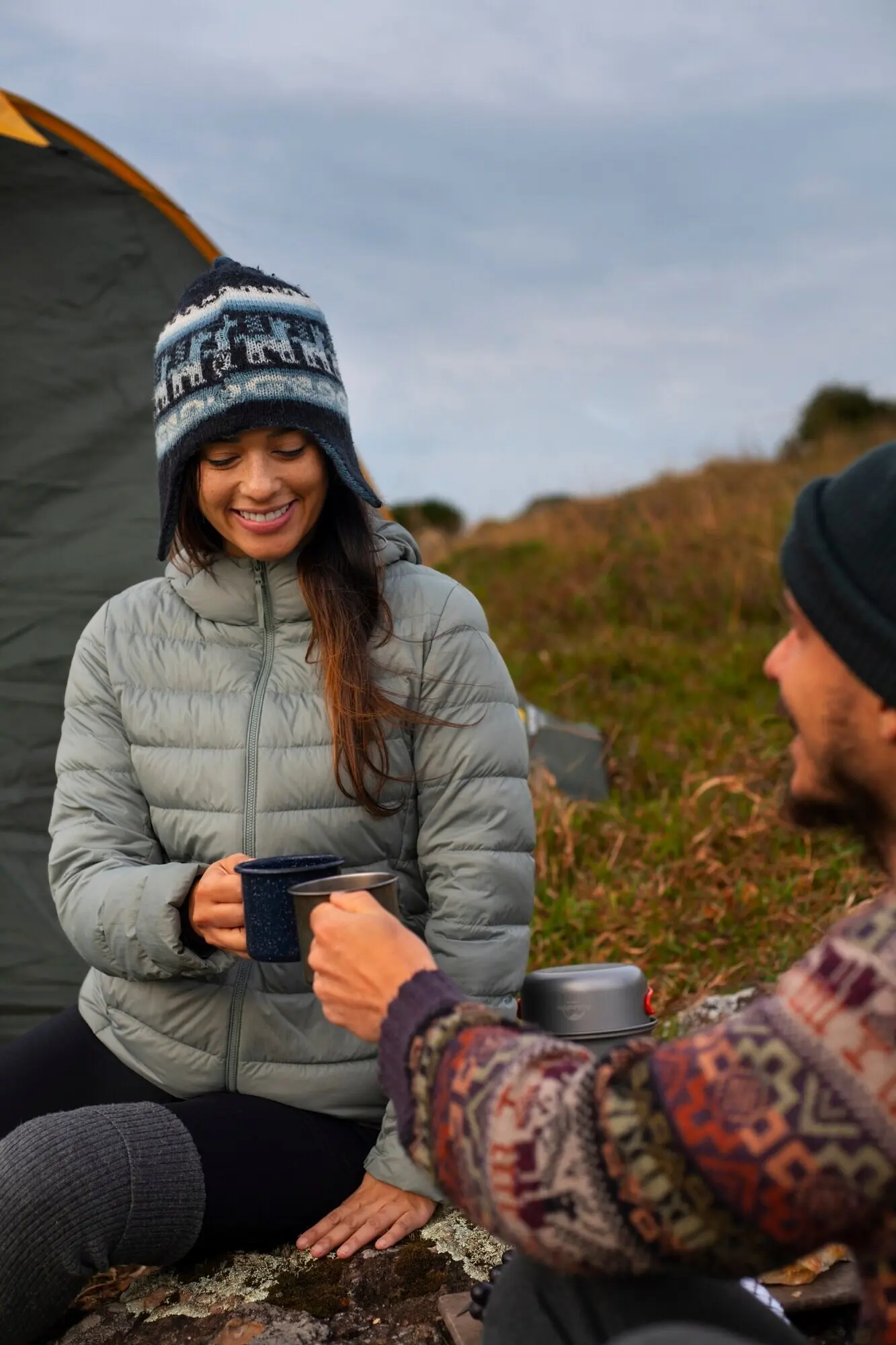
Warmth returns fastest when fueled. Pack thermos tea, sweet snacks, and something salty to balance effort. A tiny spice tin elevates camp-stove soups, while a square of dark chocolate turns waiting rooms into celebrations. Consider a soft sit-pad for stony banks and chilly benches. Slip a tiny notebook alongside your map; jot water temperatures, bird sightings, and odd conversations. These small luxuries cost little, weigh less, and multiply joy, transforming gray platforms and drizzly portals into tender, memory-rich thresholds.
The Dawn Train and the Misty River That Waited

Three friends caught the earliest service, laughing too loudly for the quiet coach. At the riverside, fog held the banks like a secret. They set a short course, swam shoulder to shoulder, and whispered greetings to moorhens. Back at the station, steam rose from cups and hair in equal measure. They missed one connection, shrugged, and watched sunlight tear the mist. Weeks later, they admitted the delay gifted their favorite memory: unplanned warmth among strangers, river stillness carried home.

A Bus Stop, a Boardwalk, and a Curious Seal

The coastal bus wound through villages, dropping a swimmer beside a weathered boardwalk. Tide charts matched a golden window, and a local hinted at a sheltered notch within the rocks. Twenty cautious strokes later, whiskers appeared, distant and dignified. The swimmer floated, still as kelp. Back on shore, they bought hot chips and thanked the driver for the scenic detour. Nothing dramatic occurred, yet everything shifted: a commute became a pilgrimage, and the timetable felt like permission rather than constraint.

Care for Places That Care for You

Leave No Trace in Practice on Busy Banks

Arrive with a small waste bag and leave with lighter conscience. Keep towels and gear compact so paths remain clear for pushchairs and anglers. Skip single-use bottles; refill at stations or cafes. Step gently on reeds, avoid trampling entrances, and share space with warmth. Photograph memories rather than carving initials. If a group swells, split into smaller pods to reduce impact. The easiest kindness is often invisible, yet its echoes protect nesting birds, fragile flowers, and swimmers yet to come.

Respecting Local Residents and Seasonal Closures

Read noticeboards, heed lifeguard flags, and listen when seasonal rules adjust access for wildlife or storms. Keep voices low at dawn, and change discreetly away from doorways or gardens. Buy something small from nearby shops as a thank-you for hospitality. If a favorite slipway is closed, accept the detour with grace; closures protect places we love from becoming loved to ruin. Respect breeds invitations, transforming occasional suspicion into smiles and directions that lead to the gentlest, safest entry points.

Join a Club, Map Access, Walk-Buddy Networks

Community multiplies safety and joy. Seek local swimming clubs with car-free meetups, contribute to crowd-sourced access maps, and form walk-buddy groups from station to shore. Newcomers gain confidence, veterans refine judgment, and everyone benefits from pooled observations about currents, signage, or seasonal algae. Share photos that demonstrate respectful parking alternatives—namely, none—and cheerful station reunions. Collaboration makes blue spaces feel welcoming rather than exclusive, expanding opportunity across budgets, ages, and backgrounds, and ensuring next weekend’s brave newcomer already feels expected.
Memefepumaxelemitame
Privacy Overview

This website uses cookies so that we can provide you with the best user experience possible. Cookie information is stored in your browser and performs functions such as recognising you when you return to our website and helping our team to understand which sections of the website you find most interesting and useful.