


Layering for Changeable Skies
A thin base layer, fleece mid-layer, and windproof shell offer warmth across shifting forecasts without bulking your bag. Pack a compact beanie and wool socks for afterdrop, plus fingerless gloves for dexterity on chilly platforms. Choose a microfiber towel that doubles as a modesty screen. If space allows, slip in lightweight sandals to protect feet on stones and station floors. Thoughtful layers turn gusty platforms into bearable interludes and make the shoreline changeover feel unhurried, private, and warmly dignified.

Compact Safety Kit That Makes a Difference
Prioritize a bright tow float for visibility, a small whistle for alerts, and a waterproof pouch containing phone, ID, transit pass, and emergency cash. Add a basic first-aid strip, silicone earplugs, and spare swim cap. A foil blanket weighs almost nothing yet transforms shivers into manageable minutes. Keep this kit in a top pocket for instant access. When conditions shift, you are already prepared, conserving energy for decision-making, shared smiles, and the quiet satisfaction of well-practiced, respectful independence.
Food, Warmth, and Small Luxuries
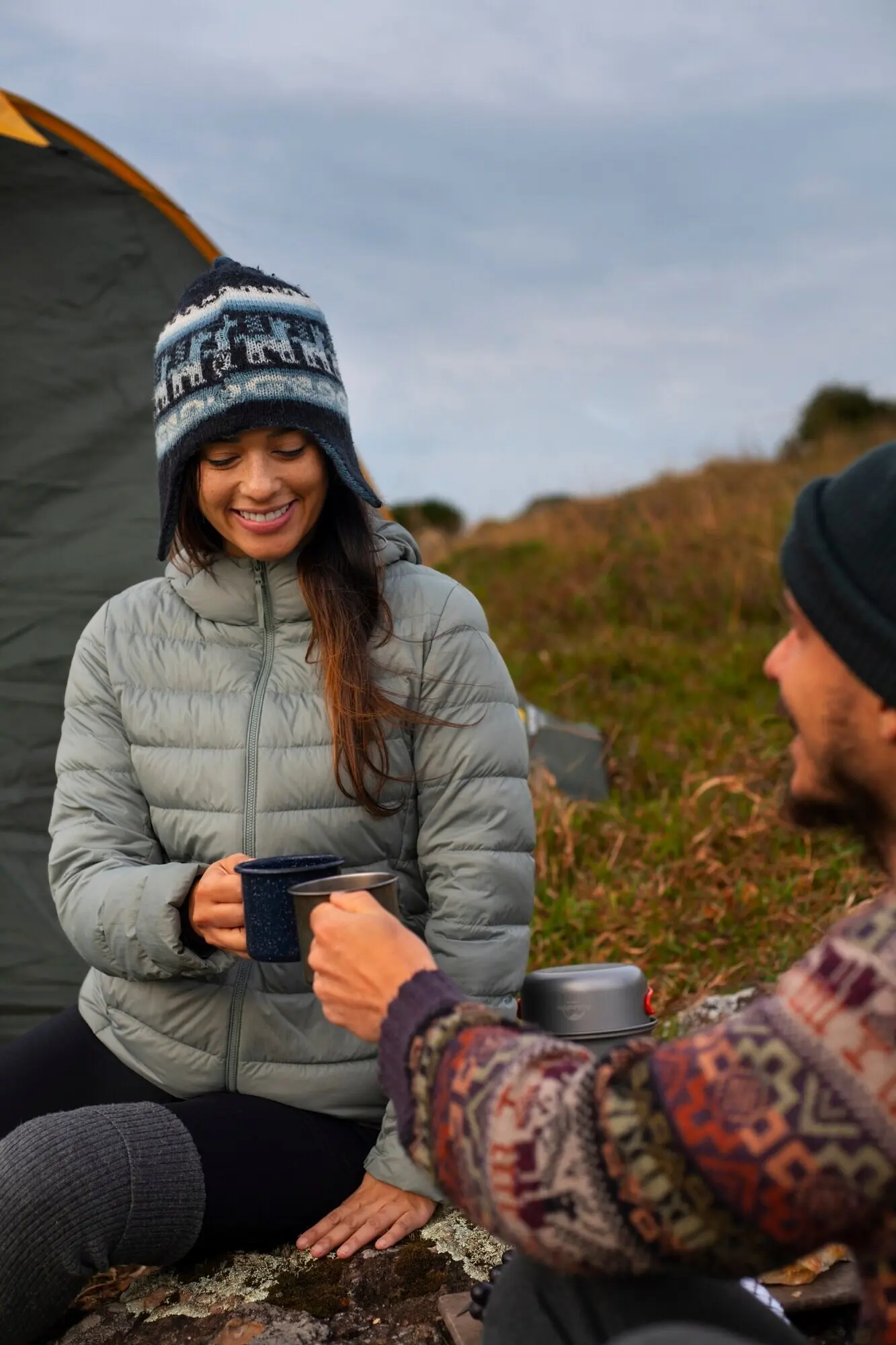
Warmth returns fastest when fueled. Pack thermos tea, sweet snacks, and something salty to balance effort. A tiny spice tin elevates camp-stove soups, while a square of dark chocolate turns waiting rooms into celebrations. Consider a soft sit-pad for stony banks and chilly benches. Slip a tiny notebook alongside your map; jot water temperatures, bird sightings, and odd conversations. These small luxuries cost little, weigh less, and multiply joy, transforming gray platforms and drizzly portals into tender, memory-rich thresholds.